Our project works: diverse achievements
Explore a selection of our impactful projects, showcasing our commitment to innovation and professional excellence. From public health initiatives to modern business solutions, discover the breadth of our expertise and how we drive success. We invite potential employers, collaborators, and fellow professionals to delve into our work.
Combating non-communicable diseases in the military
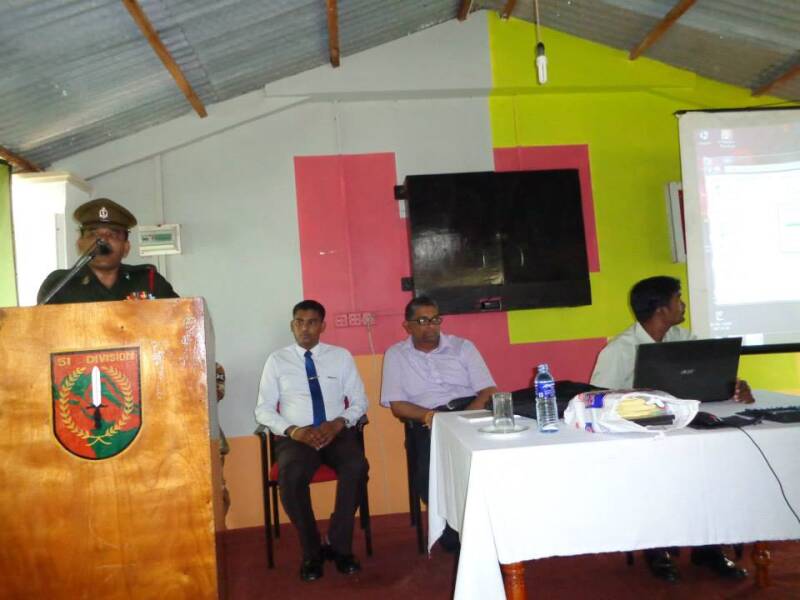
During my tenure with the Army Medical Corps in Sri Lanka, I led a crucial project addressing non-communicable diseases (NCDs) among army personnel. This initiative involved comprehensive prevention strategies and widespread awareness programmes, significantly contributing to the health and well-being of service members. This project highlights my commitment to public health and effective programme management in challenging environments.
Introduction
Non-communicable diseases (NCDs), including cardiovascular diseases, diabetes mellitus, chronic respiratory conditions, and cancers, represent a growing global health burden. Within military populations, these conditions pose a unique challenge, as they directly affect operational readiness, physical fitness, and long-term workforce sustainability. Although military personnel are generally perceived as physically fit, emerging evidence suggests increasing trends of NCD risk factors due to lifestyle transitions, occupational stress, and aging service populations.
During my tenure with the Sri Lanka Army Medical Corps, I led a comprehensive project aimed at addressing the rising prevalence of NCDs among army personnel. This initiative focused on prevention, early detection, health promotion, and behavioural change strategies, contributing significantly to improving the overall health profile of service members.
Background and Rationale
The Sri Lankan military workforce has undergone considerable transformation over the past decades, particularly following the end of the civil conflict. With reduced active combat operations, lifestyle patterns among personnel have shifted toward more sedentary routines, accompanied by dietary changes and increased exposure to modifiable risk factors such as smoking, alcohol consumption, and unhealthy eating habits.
Screening data collected during routine medical examinations revealed a growing incidence of hypertension, type 2 diabetes, obesity, and dyslipidaemia among mid-career and senior personnel ( all personal with more than 30 years old).These findings aligned with national trends reported by the Ministry of Health Sri Lanka, indicating a broader epidemiological transition toward chronic diseases. Our medical team visited to all army camps and physically examined army personnel to collect those data.
.
The need for a structured intervention became evident to mitigate long-term health risks, reduce healthcare costs, and maintain operational efficiency.
Project Objectives
The primary objective of this project was to reduce the burden of NCDs among Sri Lanka Army personnel through a multi-faceted, preventive approach. Specific objectives included
- Enhancing awareness of NCD risk factors and prevention strategies
- Promoting healthy lifestyle behaviours, including physical activity and balanced nutrition
- Implementing regular screening and early detection programmes
- Strengthening institutional capacity for long-term NCD management
- Encouraging leadership involvement in health promotion initiatives
Methodology and Implementation
The project was implemented across selected army camps using a structured, phased approach.
1. Baseline Assessment
A cross-sectional health assessment was conducted among army personnel to identify the prevalence of key risk factors. This included measurements of body mass index (BMI), blood pressure, fasting blood glucose, and lipid profiles. Additionally, behavioural risk factors such as smoking, alcohol use, physical inactivity, Family risks and dietary habits were assessed using standardized questionnaires.
2. Health Education and Awareness Programmes
A series of targeted health education sessions were conducted, focusing on the prevention and management of NCDs. These sessions covered:
- Importance of regular physical activity
- Nutritional guidance, including reducing salt, sugar, and unhealthy fats
- Risks associated with tobacco and alcohol consumption
- Stress management techniques
Interactive workshops, visual aids, and group discussions were utilized to enhance engagement and understanding among personnel.
3. Lifestyle Modification Interventions
Structured physical training programmes were introduced, tailored to different age groups and fitness levels. Collaboration with military trainers ensured integration of health-focused exercise routines into daily schedules.
Dietary interventions were also implemented in collaboration with camp kitchens, promoting balanced meal plans aligned with national dietary guidelines. Efforts were made to reduce the availability of high-calorie, low-nutrient food options within military facilities.
4. Screening and Early Detection
Regular medical screening camps were organized to facilitate early diagnosis of hypertension, diabetes, and other NCDs. Personnel identified with risk factors or early-stage conditions were referred for further evaluation and management.
Electronic health records were utilized to monitor individual health parameters over time, enabling continuity of care and data-driven decision-making.
5. Leadership Engagement and Policy Support
Recognizing the hierarchical nature of military organizations, senior officers were actively engaged in promoting health initiatives. Command-level support was instrumental in ensuring compliance and participation.
Policy recommendations were also developed to institutionalize health promotion activities, including mandatory annual health screenings and integration of NCD prevention into routine training programmes.
Results and Outcomes
The project demonstrated measurable improvements in several key areas:
- Increased awareness and knowledge of NCD risk factors among personnel
- Improved participation in physical activity programmes
- Reduction in modifiable risk behaviours, particularly smoking rates
- Early identification and management of previously undiagnosed cases of hypertension and diabetes
- Enhanced collaboration between medical and operational units
Qualitative feedback from participants indicated a positive shift in attitudes toward personal health and well-being. The integration of health promotion into daily military routines contributed to sustained behavioural changes.
Challenges and Limitations
Despite its successes, the project encountered several challenges:
- Resistance to behavioural change among certain groups
- Operational constraints limiting consistent participation in programmes
- Resource limitations, particularly in remote or under-resourced camps
- Need for continuous monitoring and reinforcement to sustain outcomes
These challenges highlighted the importance of adaptive strategies and ongoing leadership support.
Leadership and Management Insights
This project provided valuable insights into leadership within a military healthcare context. A transformational leadership approach was essential in motivating personnel, fostering a culture of health, and driving organizational change. Simultaneously, situational leadership was applied to address varying levels of readiness and engagement among participants.
Effective communication, stakeholder engagement, and interdisciplinary collaboration were critical to the success of the initiative. The project also reinforced the importance of evidence-based practice and continuous evaluation in public health programme management.
Conclusion
The increasing burden of non-communicable diseases among military personnel represents a significant public health concern with implications for operational readiness and long-term healthcare sustainability. This project demonstrated that a comprehensive, prevention-focused approach can effectively address NCD risk factors within a structured military environment.
Through targeted interventions, leadership engagement, and institutional support, the initiative successfully promoted healthier lifestyles and improved early detection of chronic conditions among Sri Lanka Army personnel. The experience underscores my commitment to advancing public health and implementing impactful healthcare programmes in challenging and resource-constrained settings.
Innovating retail: self-service kiosk implementation
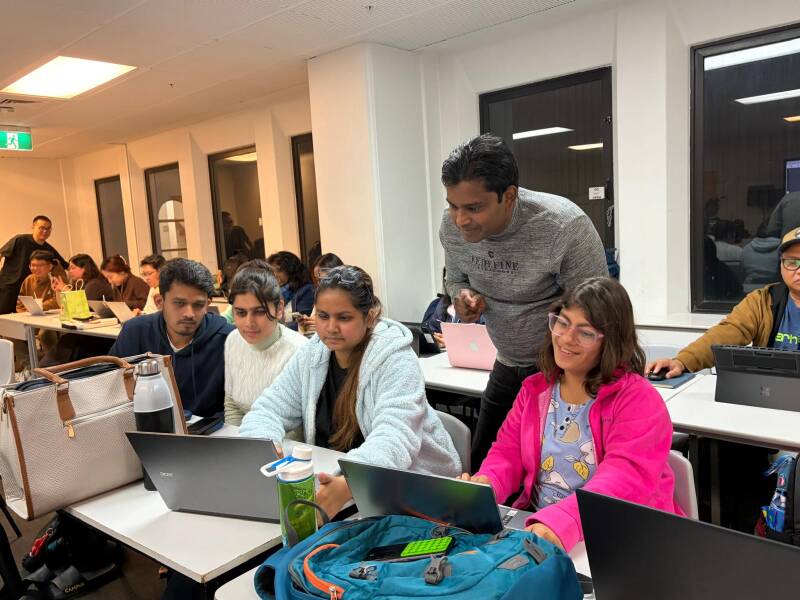
At ICL Business School, Auckland, New Zealand, where I pursue my master of Management in Healthcare, I managed a transformative project focused on introducing a self-service retail kiosk system. This initiative aimed to enhance customer experience and streamline operations, demonstrating a forward-thinking approach to retail technology. This project underscores my ability to apply project management principles to deliver tangible business improvements and elevate business professionalism.
Project Title
Introduction of Self-Service Retail Kiosk – Kiwi Bean Coffee Shop, New Zealand
Project Overview
This project focused on implementing a self-service digital kiosk system in a coffee retail environment to enhance customer experience, reduce waiting times, and improve operational efficiency.
Project Objectives
- Improve customer satisfaction through faster service
- Reduce staff workload and operational pressure
- Increase sales through automated upselling features
- Enhance digital transformation in small retail businesses
My Role and Involvement
- Conducted market research and feasibility analysis
- Participated in project planning and scheduling
- Identified risks and operational challenges
- Contributed to team discussions and decision-making
- Assisted in developing implementation strategies
Project Tasks
- SWOT analysis of the business
- Cost-benefit analysis
- Stakeholder identification
- Workflow design for kiosk integration
- Risk assessment and mitigation planning
Challenges Faced
- Resistance to change from traditional staff
- Budget constraints
- Technical adaptation and training requirements
- Customer adaptability to new technology
Approach Taken
- Applied structured project management principles
- Used collaborative teamwork and communication
- Focused on customer-centered solutions
- Developed step-by-step implementation planning
Outcomes
- Demonstrated improved service efficiency
- Identified practical solutions for small business digitalization
- Strengthened my project management and leadership skills
- Gained real-world understanding of innovation in business operations
Ready to collaborate?
I am keen to explore new opportunities and partnerships. If our project works resonate with your goals, we invite you to reach out. Our full contact details and CV are available on this website for your convenience.